
The Valley of Rocks
Explore one of Exmoor’s most distinctive coastal landscapes on the edge of Lynton
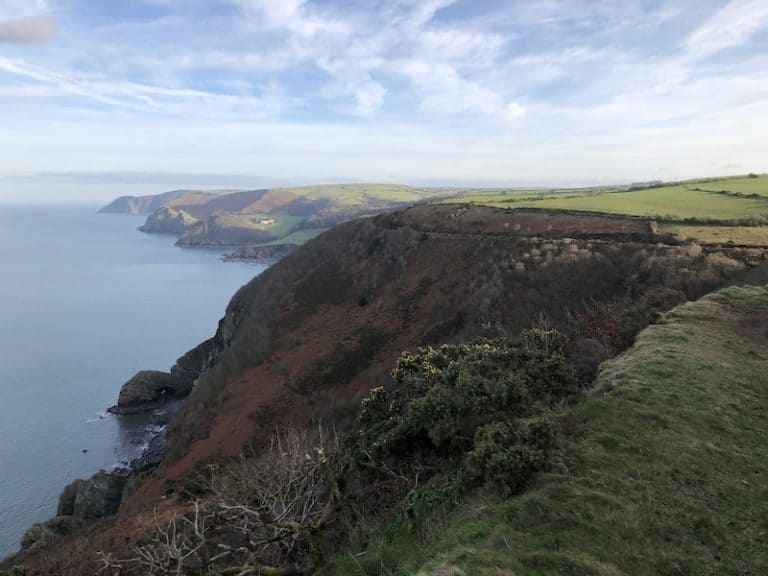
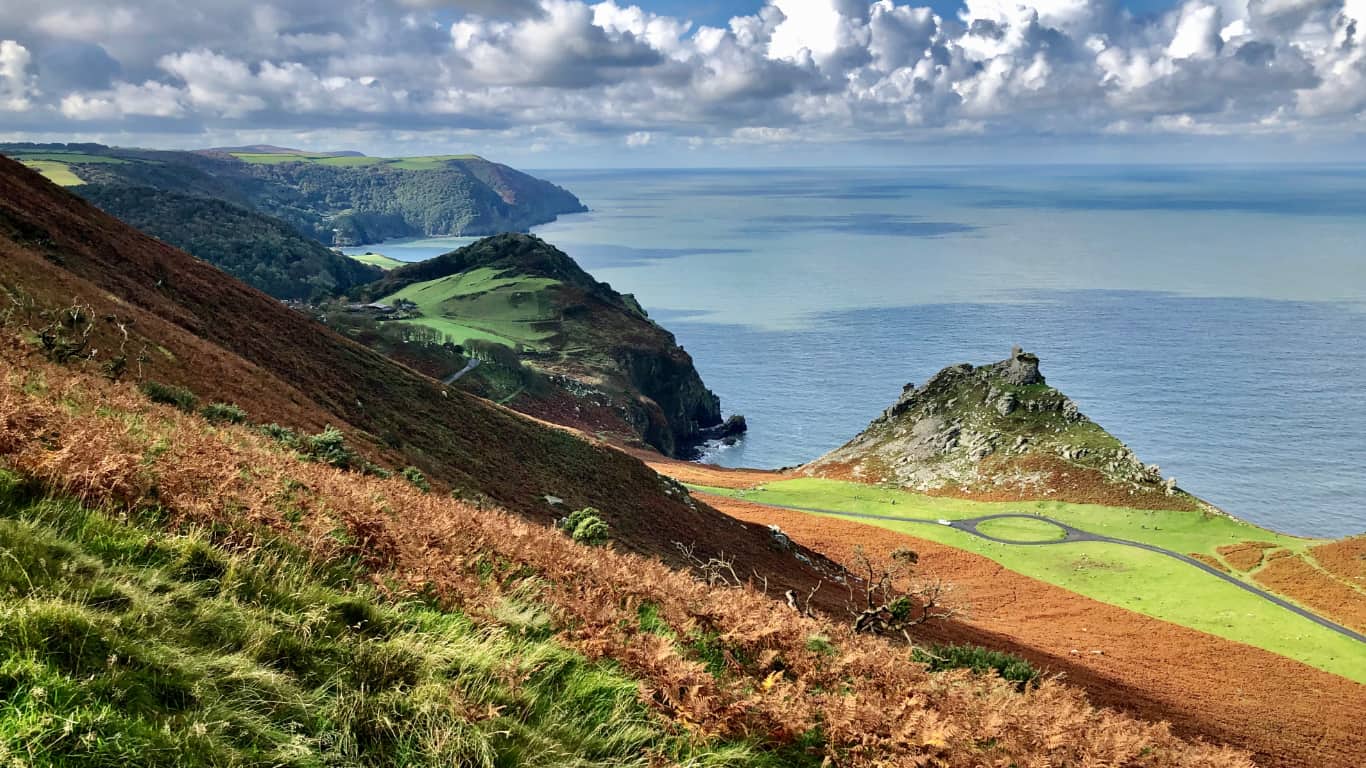
The Valley of Rocks is one of Exmoor’s most distinctive coastal landmarks — a sweeping dry valley carved into dramatic shapes by ancient geology, perched high above the Bristol Channel and within easy reach of Lynton. It’s a place where jagged cliffs, weather-shaped rock towers, and wild roaming goats create a landscape unlike anywhere else in North Devon.
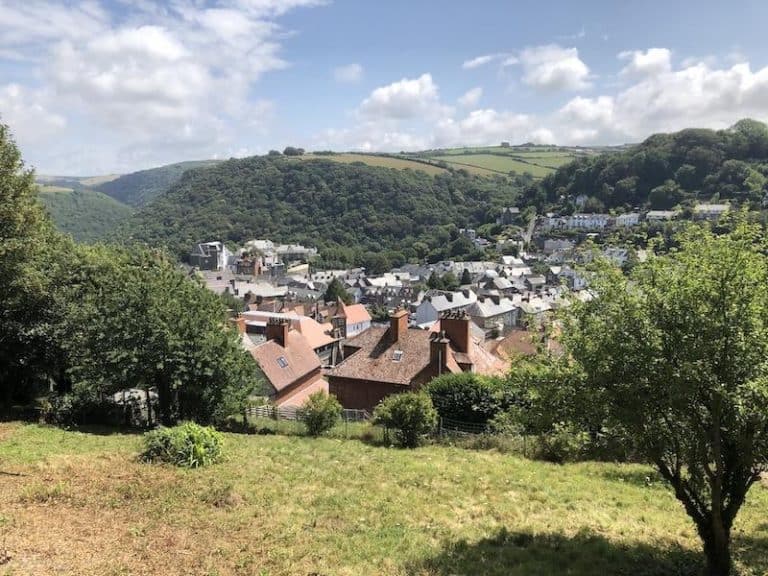
Whether you’re here for a gentle wander, a big walk along the South West Coast Path, or simply to stand and take in the views, the Valley of Rocks is a must-see on any visit to Lynton & Lynmouth.
Landscape & Geology
Formed during the last Ice Age, the Valley of Rocks is a rare example of a dry valley beside the sea. The steep cliffs, weathered Devonian rocks, and exposed ridge lines make the whole area feel elemental. As you explore, you’ll find formations with names such as Castle Rock and Rugged Jack — markers in a landscape shaped over millions of years.
This combination of geological significance and raw coastal beauty has long drawn writers, painters, photographers, and walkers. It remains one of Exmoor’s most defining natural features.
Wildlife: Meet the Famous Goats
The feral goats are the Valley of Rocks’ unofficial residents. Agile, fearless, and utterly at home on narrow ledges, they’re often seen grazing above the path or posing on rocky outcrops. They play an important role in maintaining the character of the landscape by keeping vegetation in check.
Visitors love them — but do give them space. They’re wild animals and happiest when unbothered.
Walking the Valley of Rocks
The Valley of Rocks is accessible for most walkers, offering everything from a quick wander to full coastal hikes with serious views. Many trails link directly with Lynton & Lynmouth, making it one of the easiest beauty spots to explore without driving.
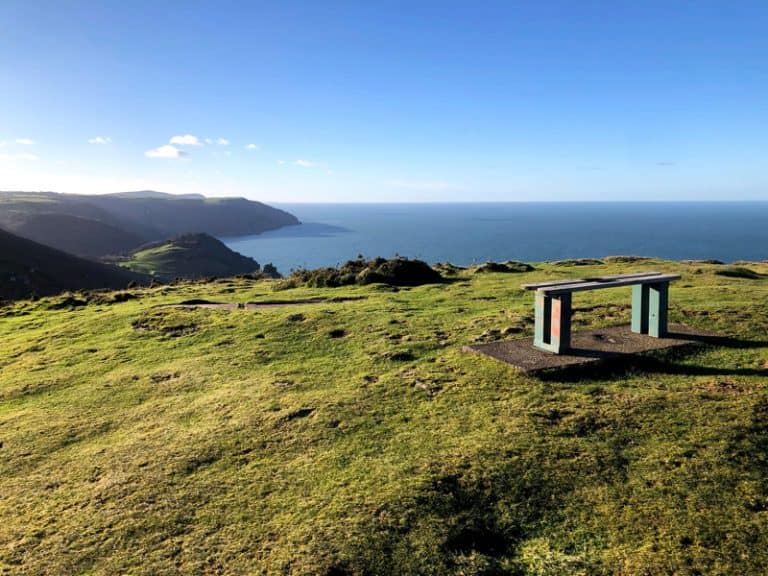
If you’re after something lighter, the main valley floor is wide, level, and easy to explore. Families often combine a short wander with time spent goat-spotting or enjoying the viewpoints above the cricket pitch.
History, Legends & Literature
The Valley of Rocks is woven into Exmoor’s cultural story. Coleridge and Wordsworth walked here during their friendship, noting the valley’s ‘sublime wildness’ in their early writings. Local folklore tells of ancient giants that once roamed these cliffs — a playful echo of the rock formations’ imposing shapes.
How to Get to the Valley of Rocks
Walking from Lynton
This is the best way to arrive. From Lynton, follow the South West Coast Path westward — the route is clear, dramatic, and delivers that cinematic first glimpse of the valley. It takes roughly 15–25 minutes depending on pace.
Parking
There is a small pay-and-display car park at the edge of the valley. Spaces are limited in peak season. If you can, walk — it’s the more memorable approach.
Accessibility
The main valley floor path is level and manageable for many visitors. The upper paths and cliff paths, however, are uneven and exposed, and unsuitable for pushchairs or wheelchairs.
A Perfect Day Out!
A visit to the Valley of Rocks pairs naturally with other local experiences. Many visitors enjoy a ride on the Lynton & Lynmouth Cliff Railway, a cream tea or lunch in the twin towns, or an onward walk to Watersmeet for a wooded riverside contrast to the coastal scenery.
In summer you might even catch a cricket match played within the valley — one of the most scenic pitches in the country, framed by cliffs and sea.
Plan Your Visit
Access to the Valley of Rocks is free, and it’s open year-round. For the most rewarding experience, walk from Lynton via the coastal path and explore at your own pace. Whether you’re a walker, photographer, geology enthusiast, or simply someone who enjoys big landscapes, the Valley of Rocks offers something unforgettable.
Valley of Rocks FAQs
Can you walk from Lynton to the Valley of Rocks?
Yes — and it’s the best way to visit. The South West Coast Path leads directly from Lynton to the Valley of Rocks in about 15–25 minutes. The route is clear, dramatic, and gives you that first unforgettable view across the cliffs.
Is the Valley of Rocks dog-friendly?
Very much so. Dogs are welcome throughout the valley, but they must be kept on a lead around the feral goats and near cliff edges. The main valley path is wide and easy-going.
Are the goats friendly?
No — the goats are completely wild. They’re used to visitors but should never be approached, fed, or followed. Give them space and enjoy them from a distance.
Is there parking at the Valley of Rocks?
Yes. There is are three car parks. All are small pay-and-display car parks, two and the main entrance to the valley, and one smaller one further into the valley.
Spaces can be limited in peak season, so walking from Lynton is often the easier and more memorable option.
Is the Valley of Rocks suitable for pushchairs or wheelchairs?
The central valley floor is relatively level and manageable for many visitors. However, most of the valley floor is grass or bracken, littered with rocks underfoot. The upper paths, cliff routes, and coastal edges are steep, uneven, and not suitable for pushchairs or wheelchairs.